If you’re a dancer—or someone who teaches, mentors, or choreographs—you know how much of your identity can live inside movement. Dance isn’t just an art form; it’s a language of emotion, a way of belonging, a home built inside the body. But when anxiety creeps in, even the studio—the place that once felt safe, freeing, and alive—can start to feel heavy. The mirror becomes sharper. The music feels louder. The body that once flowed starts to tense. These are the changes that bring people to my office. They know they need something, but aren’t sure what.
For dancers and dance educators alike, anxiety can seep into the most meaningful corners of training and performance—sometimes even drowning out the very joy that first drew you to dance. This is especially true when you’re navigating loss, transitions, or the high expectations that often accompany the life of a performer. The pursuit of perfection can become a double-edged sword: it drives artistry and discipline, but it can also disconnect you from the emotional depth that makes your dancing human.
One theme that emerges again and again in my work with dancers is how anxiety can cloud the very reason you started dancing in the first place. When you’re rehearsing for competition season, trying to earn a spot on a company roster, or guiding students through a recital, it’s easy to forget that your participation in this art is, at its core, a choice.
You don’t have to dance—you get to.
When anxiety begins to steal joy, try pausing to ask: Why am I here? Why does this matter to me? For many dancers, the answer isn’t about medals, titles, or external validation—it’s about connection – to music, movement, others, and yourself.
This kind of reflection is strategic. Anxiety thrives on control and comparison. Reconnecting with your intrinsic motivation can quiet that voice that says you’re not enough, or that you have to prove something. You don’t have to earn your place in the dance world every day; you just have to remember what called you to it. That allows you to focus more on the process, as the process is what will get you to the destination you seek.

Dance culture—like much of Western performance culture—can glorify overwork, self-sacrifice, and the “no pain, no gain” mentality. Dancers are often taught to push through fatigue, ignore pain, and equate self-worth with productivity or precision. Add to that the social media highlight reels, competitive auditions, and the constant visual comparison in the mirror, and it’s no wonder anxiety can feel like an ever-present partner at the barre.
For dancers, this culture can make you feel forced to constantly produce: cleaner technique, stronger choreography, and more polished performances. It’s easy to internalize the belief that your dancers’ success—or failure—is a reflection of your worth. This is true for dance teachers too. But hustle culture doesn’t belong in the studio any more than it belongs in the therapist’s office or the boardroom. It tends to breed more stress and anxiety than is useful for optimized success.
For dancers from immigrant or marginalized backgrounds, the layers multiply. The dance world isn’t immune to bias or inequity, and those realities can compound performance anxiety through fears of representation, belonging, or disappointing one’s community. Sometimes, those fears can’t be soothed by simple reassurances that “everything will be okay.” What helps instead is acknowledging the truth of that pressure—and making space in the studio for conversations about identity, belonging, and emotional safety. This also calls on dance teachers to do your homework and make a focused effort to make your space truly inclusive.
Dancers often feel anxiety first in the body: tightness in the chest, shallow breath, trembling legs, or a mind that won’t quiet before a performance. Because dancers are trained to listen to physical cues, this sensitivity can actually become a tool for managing anxiety—if you know how to interpret it.
Anxiety is the body’s alarm system. It’s not there to sabotage you—it’s there to protect you. But sometimes that alarm becomes overly sensitive, going off even when you’re safe. Instead of trying to silence it, try understanding it. Ask: What is my body trying to tell me right now?
For teachers, this means noticing the unspoken signs of anxiety in your dancers—the student who suddenly avoids eye contact, who over-practices until exhaustion, who tears up in class for reasons that seem unclear or whose tension is written all over them. Sometimes anxiety doesn’t look like panic; it looks like perfectionism, withdrawal, or irritability. Meeting those moments with curiosity rather than criticism can be transformative. You don’t have to be an expert to observe and wonder.
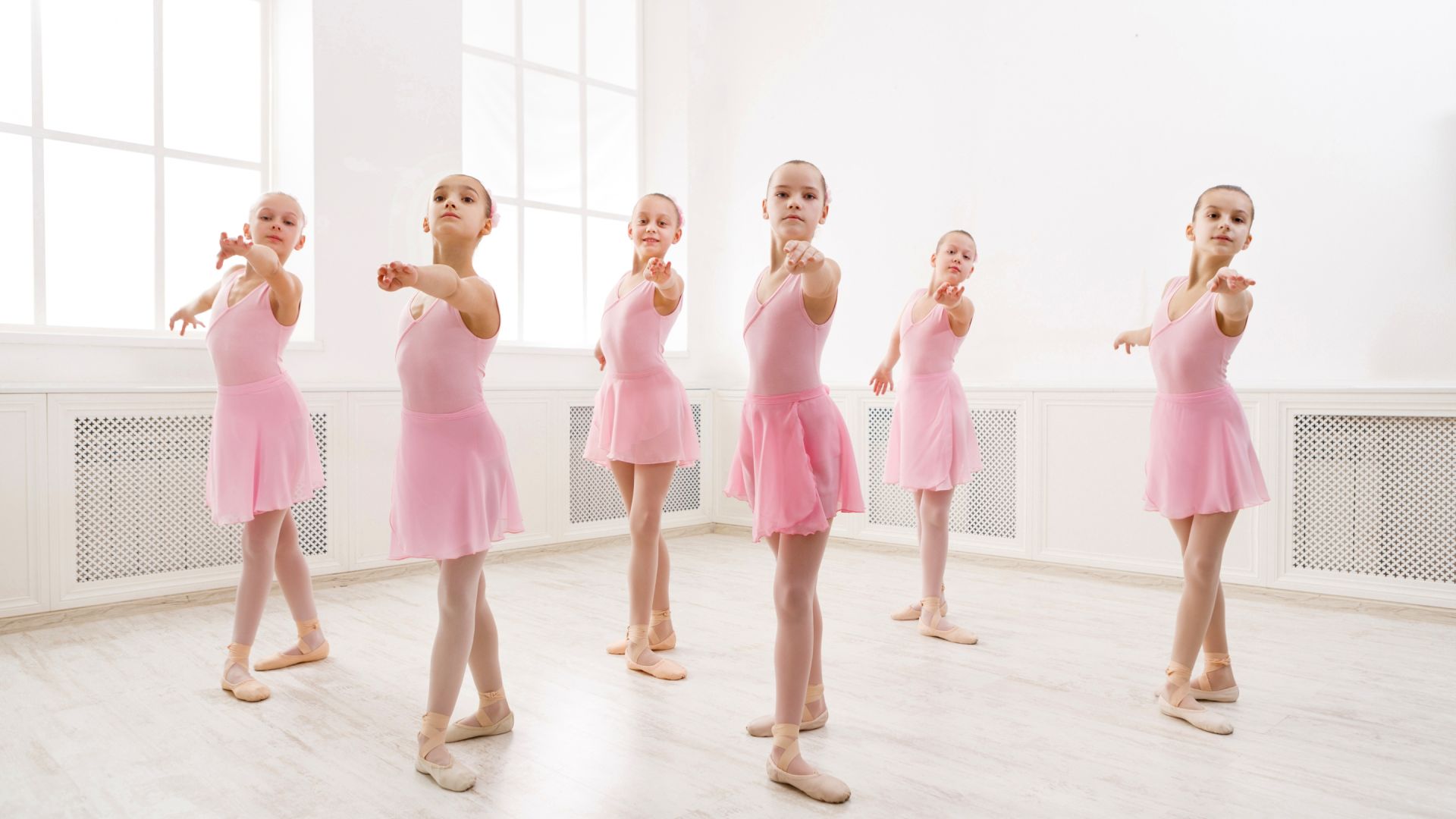
So how do you manage anxiety when it feels like it’s running the show? Here are a few evidence-informed and experience-tested strategies to bring both grounding and grace to yourself or your dancers:
1. Check-In Questions
Anxiety often runs on autopilot. Interruption starts with awareness. Ask yourself (or encourage your dancers to ask):
- Is this thought helping me or hurting me?
- Is this pattern working for me or not working for me?
- Is this moving me toward or away from the dancer—and person—I want to be?
This small act of reflection slows the mental spin and reintroduces choice into the moment.
2. Somatic Grounding Tools
Because dance is embodied, dancers often respond well to body-based grounding. Techniques like progressive muscle relaxation (tensing and releasing different muscle groups) or the
5-4-3-2-1 grounding method (five things you see, four you touch, three you hear, two you smell, one you taste) can bring awareness back to the body and the present.
These can even be integrated into class warm-ups or cool-downs. Teachers, try modeling it: “Before we begin, let’s all take one deep breath and notice what’s happening in our bodies right now.” The more normalized these practices become, the safer your studio feels.
3. Emotional Dimmers, Not Switches
Dancers often think of emotion as something to turn on or off—either fully expressed on stage or completely hidden in class. But feelings aren’t switches; they’re dimmers. You can adjust intensity.
When anxiety spikes, remind yourself (or your dancers) to check the facts of the situation rather than the feelings alone. Maybe your nerves before a solo don’t mean you’re unprepared—they just mean you care. You can turn the emotional “light” down to a manageable level, allowing presence and control to coexist.
4. Redefine Rest as Discipline
Anxiety tells you to do more, to train harder, to keep proving yourself. The worry makes you believe that if you just stress about it enough, you will somehow solve the unknown. You won’t, I promise. Real artistry requires space. It’s when your mind and body process what you’ve learned.
Teachers can model this by building rest and reflection into their programs: these pauses teach dancers that rest is part of mastery, not a distraction from it.
5. Let Today Be Enough
In a culture of endless striving, it’s radical to say, “Today is enough.” You don’t have to earn your worth with every rehearsal or every eight-count. Progress doesn’t always look like improvement; sometimes it looks like presence and perseverance in the right now.
When anxiety whispers that you’re falling behind, remind yourself: you can hold your worries and give yourself permission to rest. You can strive for excellence without abandoning self-compassion.