How do you feel when you walk into the dance studio—Are you excited? calm? apprehensive? Or maybe a combination of different sensations? Ideally, the dance studio is a sacred space to process thoughts and emotions. It’s part of the routine or ritual for warming up, staying grounded, and preparing for the challenges of the day. Dancers should look forward to going to class to start the day on the right (or left) foot!
For dance educators, there is a responsibility to provide a warm, welcoming atmosphere for dancers appropriate for various ages and levels of expertise. For dancers, the dance studio can be comforting and/or intimidating at times, even at more advanced career stages. Since it’s often viewed as a ‘second home,’ it should support the physical and mental health of dancers.
The dance studio represents a microcosm of the outside world in many ways. From a wellness coaching perspective, this speaks to dimensional models of wellness, including physical, emotional, social, spiritual, intellectual, environmental, and occupational components. These dimensions function collectively to foster a balanced perspective for holistic wellness and well-being. We can think of these domains as individual slices that make up a whole pizza pie, as illustrated by the wellness diagram (Figure 1). Numerous models have been developed with varying numbers of dimensions based on Jack Travis’ Illness/Wellness Continuum (Arloski, 2014). Wellness encompasses the entire continuum in order to fully address the whole person and all aspects of their lives.

The foundation of Travis’ model is the utilization and transformation of energy flow for mind/body, and how this is transmitted into the universe (Arloski, 2014). This involves an awareness of eating, breathing, and sensing, along with the other dimensions. After all, the mind and body work together, so one can’t function effectively without the other. Sensing and movement play a huge role in the life of a dancer. To be clear, body awareness doesn’t mean satisfaction or dissatisfaction with the way we look. It goes much deeper to reflect what we can learn and appreciate about how our bodies function. We often consider physical health aspects, but fail to address the mental health of dancers. Since thoughts and feelings are interconnected, our beliefs and worldview shape our state of health at any given time. This dynamic process fluctuates with mindset shifts and situational factors.
Let’s take a closer look at how these wellness dimensions translate to the dance context:
- Physical: This domain entails nourishing the body (and mind) through movement, exercise, proper nutrition, and adequate sleep.
- Exercise: Dancing requires a great deal of energy and stamina for proper form and movement during long hours of practice and rehearsal. Cross-training is beneficial for building strength, flexibility, and endurance, such as a combination of cardio, weight-training, yoga, Pilates, and swimming. There are numerous workout routines to choose from, depending on personal goals and preferences.
By varying workouts, overuse injuries are reduced, and balanced muscle development is promoted. In terms of mind/body connections, there are mental health benefits of cross-training related to stress-reduction, brain functioning, and mental resilience. Acquiring new skills also helps prevent burnout, and leads to more optimal performance outcomes.
- Nutrition: In order to achieve and maintain optimal health and prevent injuries, dancers need a balanced diet of carbs, protein, and healthy fats. A combination of these macronutrients and micronutrients (vitamins and minerals) are often recommended. Research indicates pre-professional ballet and contemporary dancers frequently have negative energy balance and low energy availability (Rigoli, 2024), but don’t necessarily seek support. Dancers should be encouraged to consult with a qualified nutritionist or dietician to find the best plan for their individual needs.
- Hydration: Staying hydrated throughout the day is indispensable for regulating body temperature, lubricating joints, and supporting nutrient absorption. Taking water breaks throughout class is necessary, and becomes a daily practice for maintaining health when the benefits are reinforced.
- Sleep: Dancers should aim for at least 8 hours of quality sleep for rest, repair, and recovery through the release of growth hormones. Sleep is also essential for mental performance and emotional health. This is important for mood regulation, stress-reduction, and injury prevention both inside and outside of the studio. Additionally, sleep improves focus and concentration for learning new steps and picking up choreography more readily.
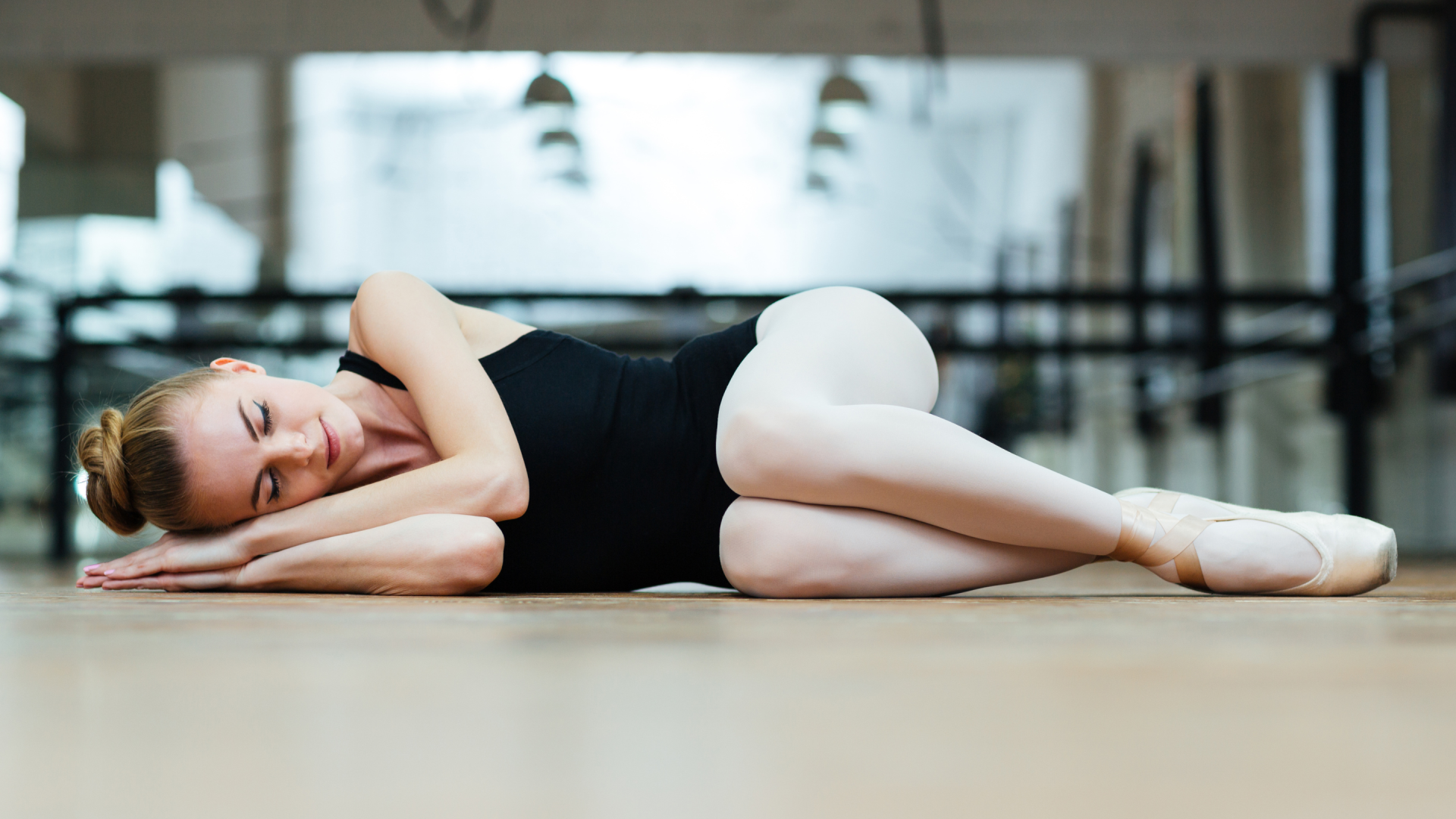
- Emotional: Noticing how we’re feeling and reacting is the first step toward achieving emotional health. Instead of trying to persevere and push through, learning to accept feelings without judgment is a key factor for implementing self-care. This can help dancers manage stress more effectively, and facilitate self-awareness that leads to emotional development. The dance environment has unique pressures that require strong coping skills to improve resilience.
Dance educators should demonstrate reframing failures as growth opportunities, so students will be more capable of incorporating feedback and corrections from a positive perspective. Dealing with low self-esteem or self-confidence is common in dancers, who often struggle with perfectionism. Dancers tend to be “people-pleasers,” who seek the approval of their instructors. Dance educators should remain aware of these tendencies, and look out for signs of sadness, anxiety, or depression.
- Social: Social relationships are extremely important for promoting the mental health of dancers. Socialization with peers builds empathy, acceptance, and a sense of belonging, while discouraging unhealthy competition. Having satisfying relationships and a supportive network fosters an atmosphere of enjoyment, camaraderie, and cohesiveness. Dance teachers are instrumental in treating each dancer equally, avoiding favoritism, and encouraging dancers to root for the success of others.
- Intellectual: The longstanding myth that dancers aren’t smart should be tossed out the window! Learning technical skills, complex steps, and choreography is not at all easy, and facilitates intellectual growth and cognitive development. As we move, neural pathways are stimulated for boosting memory, spatial awareness, and decision-making. It’s imperative to introduce these activities with young dancers to jumpstart curiosity, exploration, and lifelong learning.
- Spiritual: Dancing is a spiritual experience that can be a form of prayer, solace, or emotional healing. Through dance expression, we become immersed in portraying a story, expressing a character, creating a mood, and responding instinctively to the rhythm of the music. Being in the present moment during a performance can be transformational. It contributes to emotional processing, understanding ourselves, and feelings of empowerment. Dance educators serve as role models to inspire this degree of fulfillment and emotional connection. Spirituality can also assist dancers in finding meaning and purpose in their lives on a broader scale to facilitate overall well-being.
- Occupational: Whether or not to pursue a career in dance is a big decision, but taking dance classes has numerous benefits for physical and mental health. Professional dancers are fortunate to participate in this rewarding creative outlet. However, substantial stressors pertaining to long hours of work, financial insecurity, risk of injury, and demands connected to self-doubt and competition, come with territory. Dance educators can guide dancers in considering related career options, such as teaching, choreography, arts administration, physical therapy, or dance medicine.
College dance programs are another avenue to investigate if dancers are unsure of their career path. Students may double-major, or minor in dance, and take a variety of different classes, while also cultivating social relationships, and networking with others in their chosen field. The college experience, as a whole, is an invaluable opportunity for developing maturity, self-efficacy, and independence.Overall, finding passion, purpose, personal satisfaction, and enrichment are primary objectives for selecting a career you’re most suited for.
- Environmental: The dance environment is representative of the expectations of the larger community. Dancers should learn and value the rules of etiquette in the studio, as outlined and illustrated by the instructor. Aside from acknowledging physical boundaries for safety and personal space in the studio, dancers should have awareness and respect for their surroundings. This creates a healthy environment for everyone, and establishes a foundation for succeeding in the world at large. The aesthetic environment is connected to the mood and atmosphere that is created by this shared experience. This, in turn, affects motivation, engagement, and performance levels. Dance educators should aim to establish environments that help dancers thrive, and also develop an identity outside of the dance world.
Neuroaesthetic: I added this dimension as it pertains to the scientific study of neural processing from the contemplation of art. Experiencing art elevates our mood and enhances our well-being. This also has positive influences for self-esteem, self-confidence, and self-worth (Magsamen & Ross, 2023). Embodied cognition occurs as mirror neurons in the brain are activated. This affects our emotional responses and enhances our capacity for empathy. When we internalize the artistic practice of dance, we feel a sense of serenity that gives us peace of mind and flow (Christensen, 2024). The author maintains that dance is beneficial for our brains and our bodies. Through dance, we gain a more complete understanding of human behavior and the human condition as it pertains to our everyday lives.
During wellness coaching sessions, these key dimensional elements are explored in depth to help dancers attain total well-being and performance improvement. A customized wellness plan is designed and implemented based upon individual goals and challenges faced by the dancer. The additional toppings selected for the so-called ‘pizza pie’, are what makes this collaborative journey so unique and powerful!
References:
Arloski, M. (2014). Wellness coaching for lasting lifestyle change (2nd ed.). Whole Person Associates.
Christensen, J. (2024). The pathway to flow. Square Peg.
Magsumen, S. & Ross, I. (2023). Your brain on art: How the arts transform us. (1st ed.). Random House.
Rigoli A, Dang E, Michael V, Gifford J, & Davies A. (2024). What do we know about the energy status and diets of pre-professional and professional dancers: A scoping review. Nutrients, 16(24), 4293. https://doi.org/10.3390/nu16244293. https://pmc.ncbi.nlm.nih.gov/articles/PMC11676647/