It's never too early to start talking about mental health. Read the following post to learn how to support young dancer mental health and why it matters.
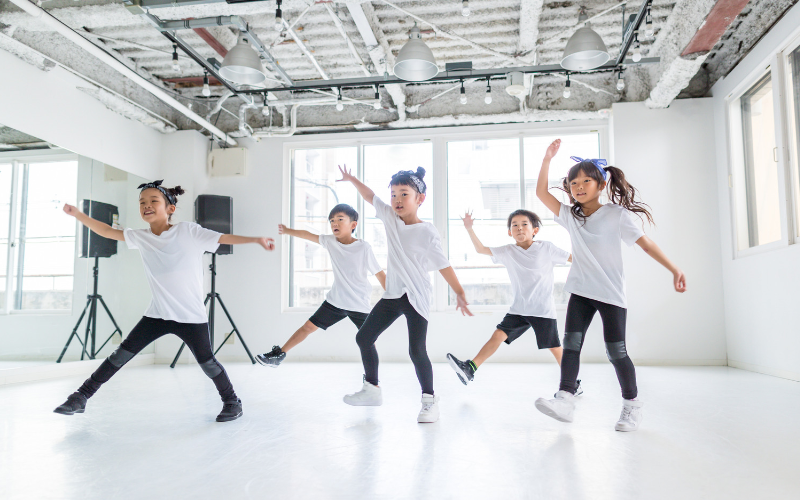
Dance is something that is enjoyed by all ages, from senior citizens to toddlers. And while dance educators may feel more comfortable and confident in speaking to their older dancers about mental health, it is so important that we also engage in these conversations with our younger dancers as well. It is never too early to start talking about mental health.
Why? Because the experiences we have in early childhood have a large impact on later mental and emotional health. The more we experience safety and support
from the caregivers in our lives at a young age, the
better off our mental health will be.
Early Childhood is Pivotal
In fact, our sense of self-image, good or bad, begins to develop in infancy, and as early as 6 months old, we begin to sense and become affected by our caregivers’ moods. Since our brains form about 700 neural connections per second in these early stages of life, those early years are critical in establishing a strong foundation for healthy mental development.
The good news is that most children are receiving these benefits from the caregivers in their lives. The CDC reports that indicators of positive mental health are present in most children ages 3-11, with an average of 90% of kids being reported as resilient, curious, positive, and self-controlled.
So, feel confident in your decision to bring up the topic of mental wellness with your younger dancers. While we may talk about it differently than with our older dancers, and while they may experience it differently, we shouldn’t shy away from it, because we have the ability to make a big difference in the lives of our young dancers. And what teacher doesn’t want to help develop healthy citizens of the world?
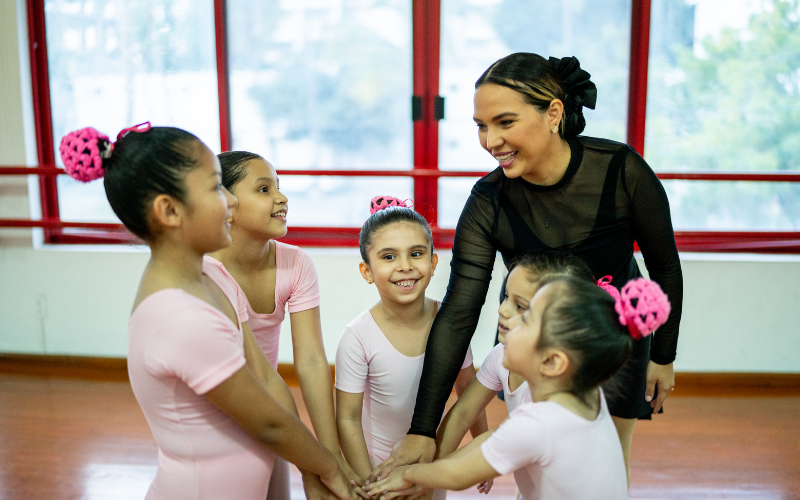
Here are three ways to actively support the mental wellness of younger dancers.
How to Support Young Dancer Mental Health
Breathe - The American Academy of Pediatrics suggests meditation and mindfulness as ways to help kids cope with stress, as the number of children reporting high stress levels is increasing. Use deep breathing exercises in class to help your young ones focus their minds and settle their thoughts. For pre-school aged children, pediatricians generally recommend exercises that last no more than just a few minutes while grade school children can partake in exercises lasting up to ten minutes.
Talk - It’s sometimes difficult for children to find the right words when trying to express how they’re feeling. By allowing them the space to think, asking them questions, and using aids like images or books, we can help our young dancers navigate their emotions in a way that allows them to more easily manage those emotions. At the top of class try using fun ways to ask them how they’re feeling - have them describe their emotions through naming colors, animals, or making sounds!
Model - We know children take their cues from the caregivers in their lives, and our young dancers are no exception. By showing them how we care for ourselves, how we work through our emotions, and how we deal with stress, we can model healthy coping strategies for them.

You don't have to be a mental health expert to have a positive influence in a young dancer's life. When in doubt, simply let your dancers know that you are there for them if they're ever feeling down and would like to talk. Keep an eye on your students and notice signs of changes. If any change is worrisome for you, it's better to react than not. Always consult with the child's caregivers, and when necessary, reach out to appropriate parties for additional support.