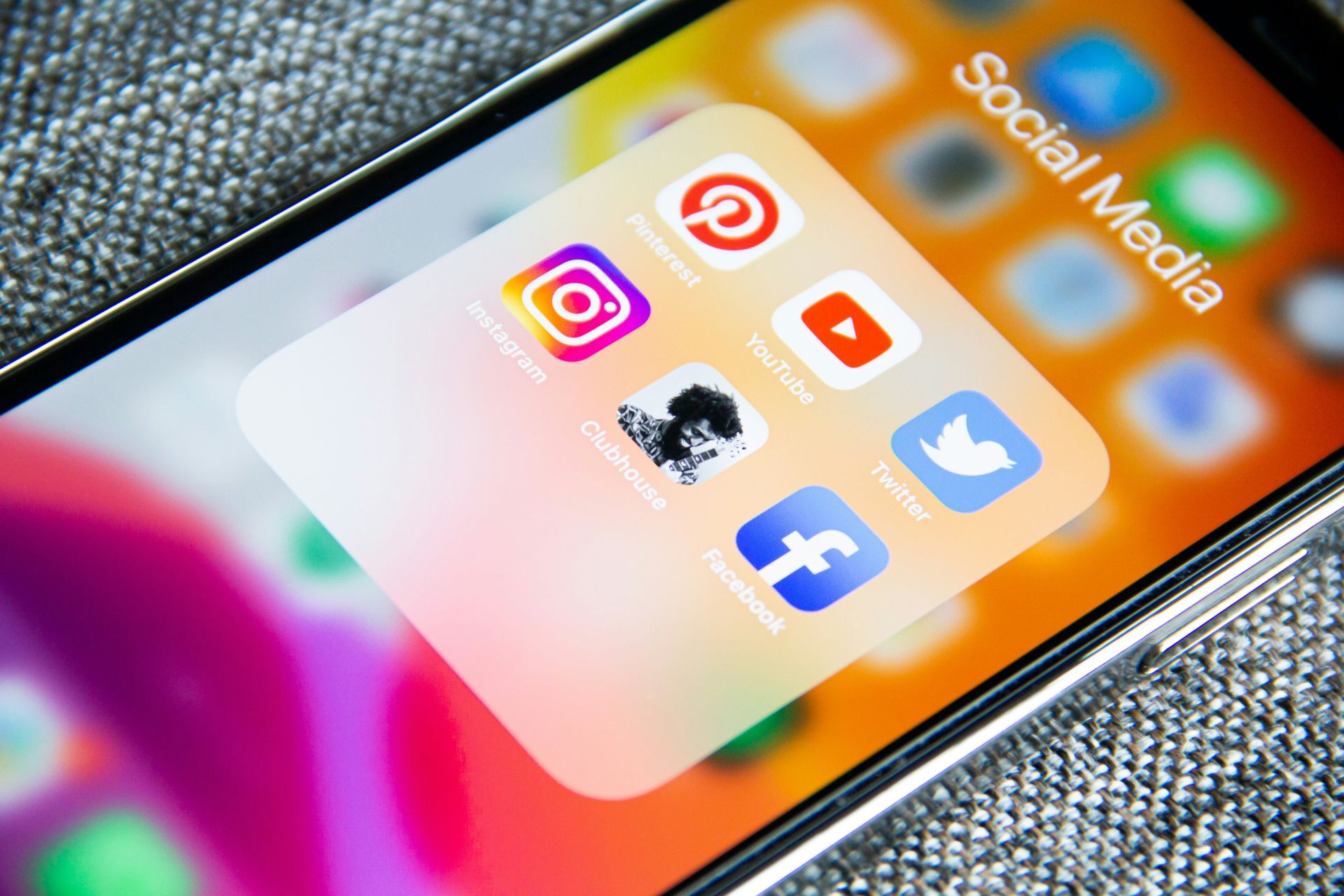
In the dimly lit wings of a theater, a dancer scrolls through social media moments before curtain call. Her feed floods with impossibly high extensions, flawless turns, and bodies that seem to defy both gravity… and, for that matter, genetics. She later glances at her own reflection in the dressing room mirror and feels her confidence fade away. This “scene” is far from unique…instead, it illustrates the complex relationship between social media and mental health in the dance community.
Social media has fundamentally transformed how dancers train, connect, and relate to their craft. While these platforms do offer extraordinary opportunities for inspiration, education, and community building, they have also introduced unique psychological pressures that are shaping dancers’ mental health in ways researchers and mental health providers are only beginning to understand.
The Highlight Reel Paradigm
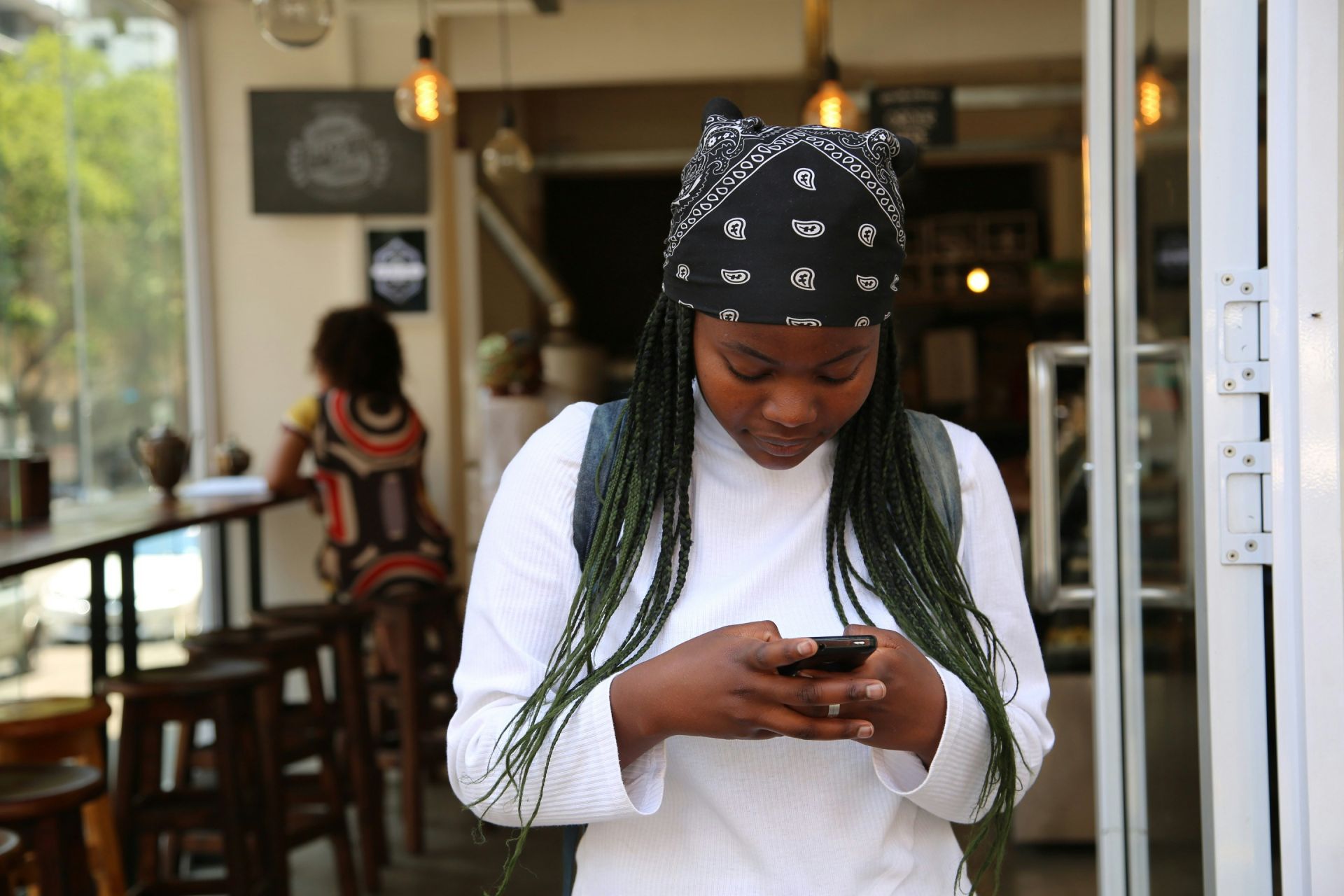
Dance has always been a visual art form, but social media has amplified this aspect to an extreme degree. Platforms like Instagram, TikTok, and YouTube have created what some might call a “highlight reel paradigm” where dancers showcase only their best moments… the cleanest pirouettes, the highest jumps, and the most aesthetically pleasing combinations for one’s body type or personal strengths. What is missing from these curated feeds is the hours of falls, failed attempts, frustration, and the very human journey of working towards mastery.
Social media creates a distorted reality. Dancers of all ages can fall into the unhelpful
comparison trap and may believe that they are “far behind”. This leads to feelings of inadequacy,
especially when their own progress does not match the seemingly effortless excellence they
witness online. Psychological research on social comparison has been published since the 1950s
and suggests that repeatedly measuring ourselves against idealized images puts us at risk for
developing psychopathology.
Social Media and Body Image
The Performance Anxiety Paradox
What About the Positives?
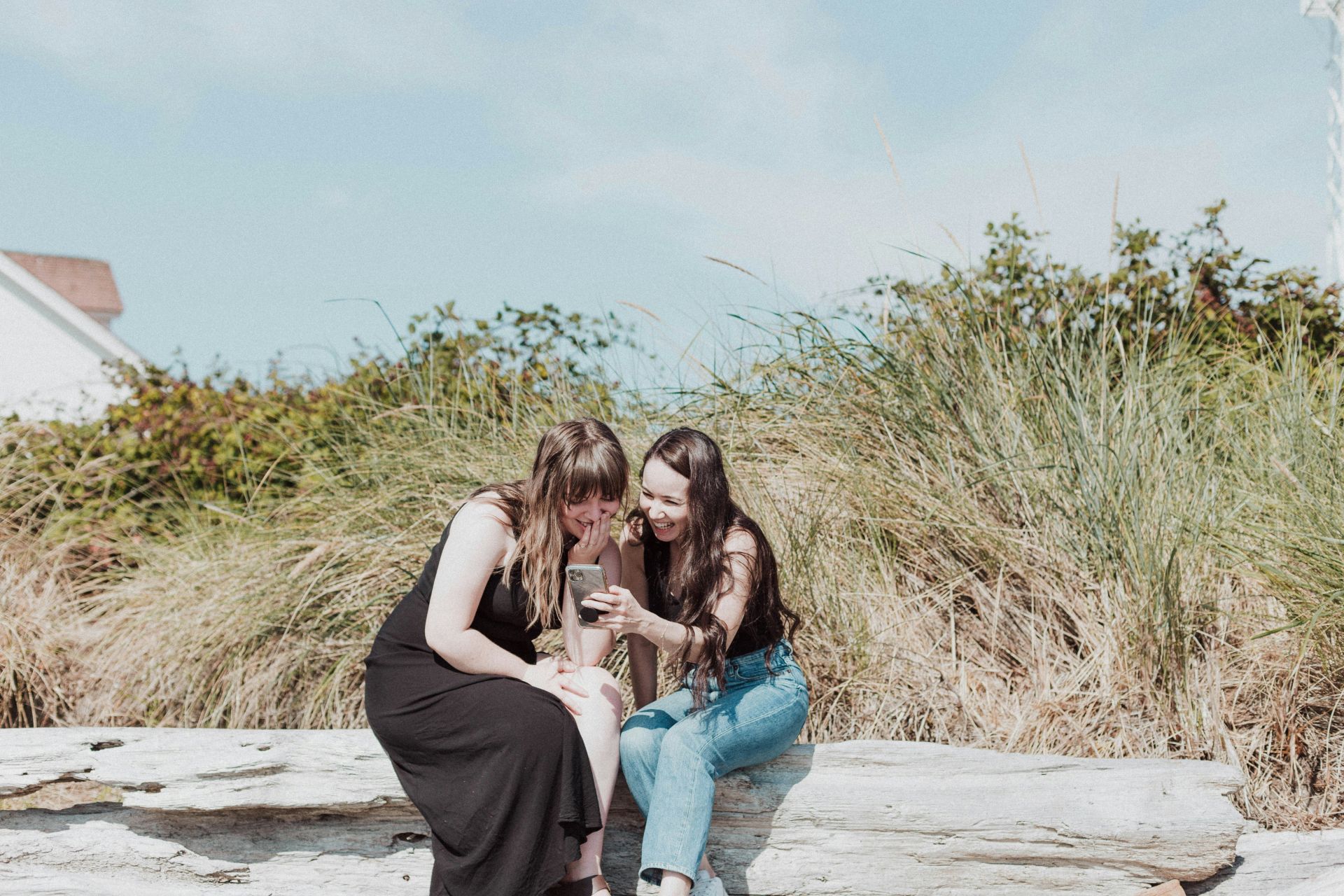
Despite these challenges, social media’s role in the dance community is not entirely negative. These platforms have democratized access to dance education, allowing dancers in remote areas to learn from world class artists they might never encounter otherwise. Tutorials, technique tips, and virtual mentorship have made aspects of dance training more accessible than ever before.
The networking opportunities social media provides are significant as well. Choreographers discover dancers, companies announce auditions, and artistic collaborations form across continents through these platforms. For many professional dancers, a strong social media presence has become a career necessity, opening doors that might otherwise remain closed and sometimes even offering other avenues to earn income. As with many other things… social media can be good in moderation.
Finding Balance in Moderation and Mindfulness
Moving Forward
References:
Adeyanju, G. C., Solfa, R. P., Tran, T. L., Wohlfarth, S., Büttner, J., Osobajo, O. A., & Otitoju, A. (2021). Behavioural symptoms of mental health disorder such as depression among young people using Instagram: A systematic review. Translational Medicine Communications, 6(1), 15.
Hanum, F. N., & Maulida, F. (2023). The Impact of Social Media, Body Image, and Dietary Habits among Bukittinggi's Young Dancer. Amerta Nutrition, 7(4).
Hunt, M. G., Marx, R., Lipson, C., & Young, J. (2018). No more FOMO: Limiting social media decreases loneliness and depression. Journal of Social and Clinical Psychology, 37(10), 751-768.
Kay, J. K. (2019). Use of image-based social media in dancers and non-dancers (Doctoral dissertation, University of Leeds).
Morrow, S. A. (2019). Self-Presentation by Young Ballet and Contemporary Dancers on Image- Based Social Media (Doctoral dissertation, University of Leeds).
Ramos, Ana. (2021). Associations between social media use, body dissatisfaction, and self-efficacy among female adolescent ballet students (Masters’ theses). Retrieved https://researchonline.trinitylaban.ac.uk/oa/thesis/?p=2327
Roberts, T. A., Daniels, E. A., Weaver, J. M., & Zanovitch, L. S. (2022). “Intermission!” A short-term social media fast reduces self-objectification among pre-teen and teen dancers. Body Image, 43, 125-133.
Sanzari, C. M., Gorrell, S., Anderson, L. M., Reilly, E. E., Niemiec, M. A., Orloff, N. C., Anderson, D. A., & Hormes, J. M. (2023). The impact of social media use on body image and disordered eating behaviors: Content matters more than duration of exposure. Eating behaviors, 49, 101722. https://doi.org/10.1016/j.eatbeh.2023.101722
Vandenbosch, L., Fardouly, J., & Tiggemann, M. (2022). Social media and body image: Recent
trends and future directions. Current opinion in psychology, 45, 101289.
Arianna Shimits, MA, CMPC
Arianna Ciccarelli Shimits, MA, CMPC completed her Master’s degree in Sport and Performance psychology at the University of Denver and her bachelor’s degree in Psychology at the New College of Interdisciplinary Arts and Sciences at Arizona State University.
While working towards her BA she danced professionally at the Washington Ballet, Ballet Arizona, and the Colorado Ballet. She performed soloist and corps de ballet roles in ballets choreographed by Petipa, Balanchine, Tudor, Tharp, Webre, Deane, Liang, York, and Stevenson. After retiring from ballet Arianna pursued an MA in Sport and Performance Psychology, believing that the performing arts could benefit from the skills and training offered by mental skills training.
Arianna is currently a doctoral candidate in Counseling Psychology with an expected graduation of Summer ‘26

Get in Touch!
hello@danscend.com
Phone number: 213-770-1226
hello@danscend.com
Phone number: 213-770-1226
Copyright © 2026