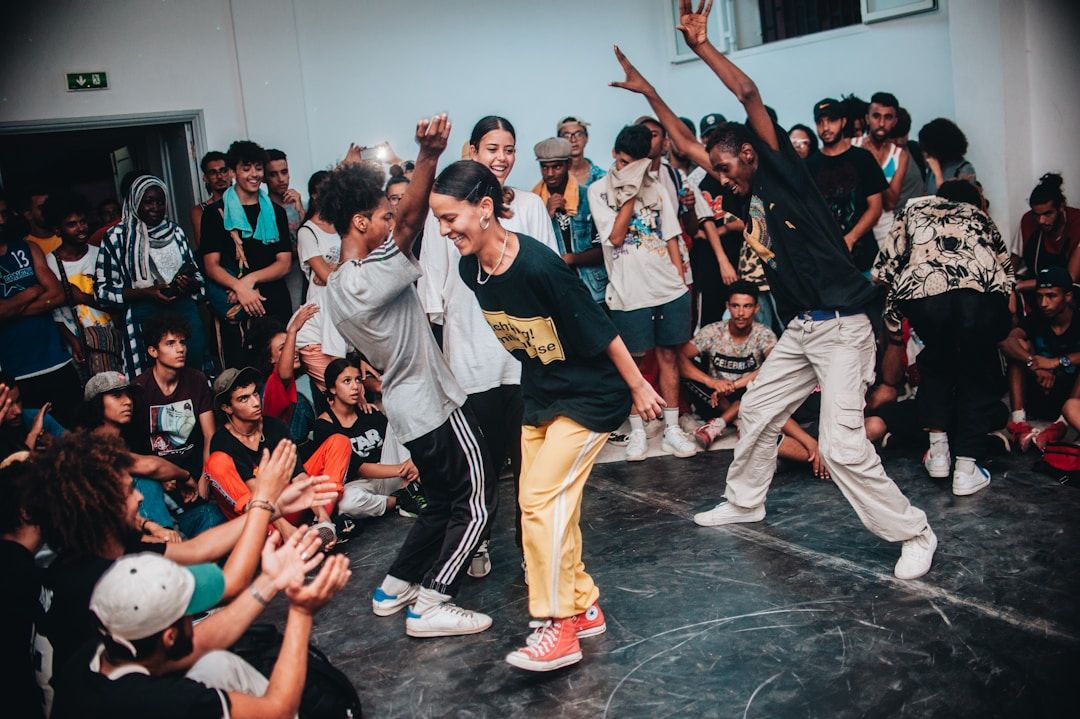
For many dancers, the dance studio becomes a second home and a space where they learn how to handle pressure, relationships, success, and failure. Most dance educators strive to create a positive team culture, but what sets truly healthy and successful programs apart?
A positive culture is not the absence of pressure, accountability, or hard days. The reality is that a positive environment is a place that you want to be even when things are challenging. It's an atmosphere where dancers feel safe, valued, and supported enough to navigate those challenges together.
Students come into the dance space with different soft skills and some need more mentorship and collaboration in order to overcome challenges. Comparison-based coaching and fear-based teaching force dancers to conform instead of providing the resources and approaches that can help students thrive. Successful competitive programs aren’t lowering expectations but rather helping dancers access growth in sustainable and supportive ways.
A positive culture is not the absence of pressure, accountability, or hard days. The reality is that a positive environment is a place that you want to be even when things are challenging. It's an atmosphere where dancers feel safe, valued, and supported enough to navigate those challenges together.
Students come into the dance space with different soft skills and some need more mentorship and collaboration in order to overcome challenges. Comparison-based coaching and fear-based teaching force dancers to conform instead of providing the resources and approaches that can help students thrive. Successful competitive programs aren’t lowering expectations but rather helping dancers access growth in sustainable and supportive ways.

Values Impact Culture
Mindset, Accountability, and Communication

Rather than striving for perfection, studios can cultivate a growth mindset rooted in reflection,
Along with mental toughness, there must be a willingness for accountability and difficult
learning from mistakes, and understanding that constructive criticism is an opportunity to try
something differently. The mind is a powerful tool that can be developed and utilized in competition. Dancers benefit from learning to stay in the moment to avoid dwelling on mistakes, stepping outside their comfort zones, and recognizing and reframing negative self-talk. Mentally rehearsing a performance in explicit detail while engaging the senses helps to build confidence and reduce anxiety. The mind has trouble differentiating between reality and vivid imagery so integrating mental rehearsals can aid in strengthening neural pathways just like the repetition of physical training.
Along with mental toughness, there must be a willingness for accountability and difficult
conversations from both educators and dancers. Communication as a whole is crucial. The timing, tone, and delivery of communication matter just as much as the message itself. Consistent communication helps build trust and reduce confusion. It’s more effective to address things like gossip, lack of upholding values, and conflict quickly to avoid building resentment or reinforcing negative behaviors. Be mindful not to single out and embarrass dancers in front of their peers or engage while anyone is emotionally charged.
Support Beyond Performance

Connection Over Comparison
Lasting Influence

Learning is rarely linear, so instead of pushing dancers or yourself to get it right the first time, provide space to apply new information and skills to recurring challenges. UCLA’s Center for the Developing Adolescent reports that the reward system of the brain is more responsive to new experiences during adolescence than any other time in our lives (2026). This is why secure relationships with teachers are important. Dance teachers help shape dancers’ value systems and inform what they see as acceptable behavior. Dancers absorb how teachers speak about competitors and judges, respond to conflict and disappointment, and handle mistakes and setbacks. These elements often become internalized by dancers and influence how they speak to themselves. It is imperative that dancers know they are still loved, valued, and accepted even when they don’t perform at their highest level.
Psychological Safety
For Dancers: Contributing to a Positive Team Culture
Sara Kercho graduated with her master’s degree in Clinical Mental Health Counseling from Lamar University and is currently a Licensed Professional Counselor Associate in Texas under the supervision of Laura Wright LPC-S, RYT-500. Sara has experience as a dance educator in both the studio and public school settings with a decade of that experience as a high school fine arts dance teacher and drill team director. She has presented workshops focused on social emotional learning at both the Center for Educator Development in Fine Arts Summit & Texas Dance Educators Association Convention. Sara takes a compassion-focused, somatic approach to therapy and is passionate about supporting the mental wellness of dancers and educators through counseling, workshops, and professional development.
To connect with Sara:
To connect with Sara:
Email: mentallyherecommunity@gmail.com
Website: www.mentallyherecommunity.com
Instagram: @mentallyherecommunity

Get in Touch!
hello@danscend.com
Phone number: 213-770-1226
hello@danscend.com
Phone number: 213-770-1226
Copyright © 2026