

If you had asked me when I was a pre-professional dancer if I would rather be happy or have better extension, I would most definitely have chosen the latter. As an adult, I recognize the absurdity of this choice, but as a young person who was obsessed with dance, I valued it over everything else. Including my own mental wellness.
Sometimes, it can be difficult to stress to young people the importance of taking care of our mental (and physical) wellness. And it’s all connected - our bodies impact our minds and our minds impact our bodies. But, our pleas to our students to take rest breaks, eat healthy food, spend time journaling and meditating, and to stop beating themselves up so much…well, they can go unheeded. That’s why it’s important to teach dancers WHY caring for themselves is paramount.

Here are some science-backed ways to introduce healthy habits to dancers in a way that might change their perspective on caring for themselves.
- Want to learn choreography faster? Encourage dancers to get 8 hours or more of sleep. If we don’t get adequate sleep, our ability to learn new things could drop by up to 40%. Research from Harvard Medical School explains that sleep plays a critical role in memory consolidation (the neurological process that stabilizes and stores new learning). In other words, sleep is when the brain transfers choreography from short-term rehearsal mode into long-term storage. Without enough sleep, dancers may spend rehearsal time relearning choreography their brain didn’t fully store the first time. (Walker & Stickgold, 2006; Harvard Health Publishing).
- Want to have quicker reaction time? Sleep also helps that. Studies published in the journal Sleep have found that sleep restriction negatively impacts reaction time, accuracy, and motor performance. These are all key components of musicality, timing, and spatial awareness in dancers (Pilcher & Huffcutt, 1996; Van Dongen et al., 2003). When we frame sleep as a performance enhancer rather than a luxury, dancers start to see it differently.
- Want to be more flexible? Eat healthier foods. Foods like fish and chicken, nuts and seeds, olive oil and avocados, and fresh fruits or veggies are great for improving flexibility. Diets rich in omega-3 fatty acids and antioxidants have been shown to reduce systemic inflammation and support muscle recovery. Research published in the American Journal of Clinical Nutrition links anti-inflammatory dietary patterns with improved muscle function and reduced soreness (Calder, 2013). When inflammation decreases, tissues can move more freely which can support long-term range of motion and better recovery between rehearsals.
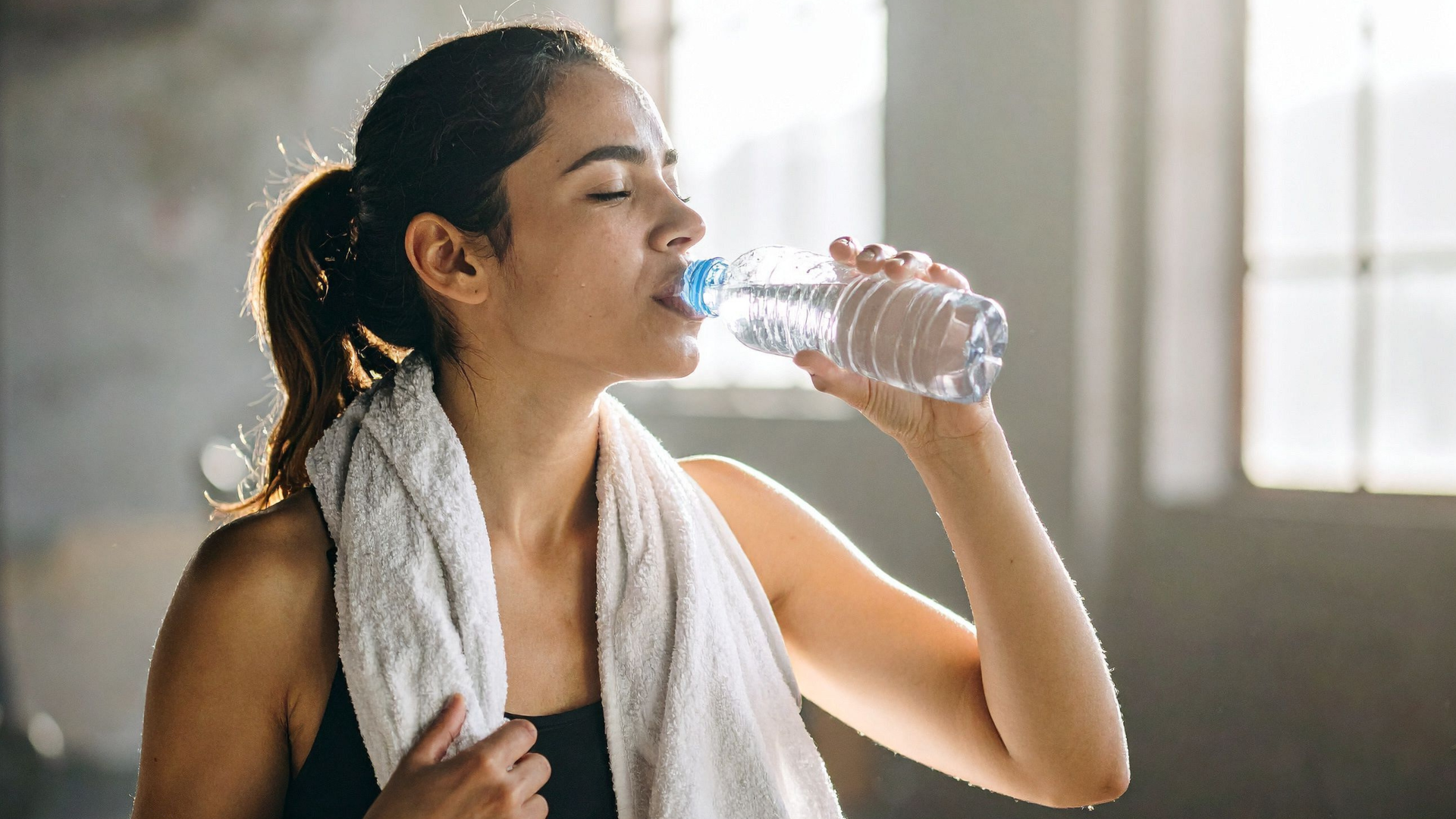
- Want to help your muscles move freely? Drink water! The American College of Sports Medicine reports that even mild dehydration can impair muscular endurance, increase fatigue, and elevate perceived effort during exercise (ACSM Position Stand, 2007). Because muscle tissue is composed of roughly 75% water, inadequate hydration can reduce elasticity and increase susceptibility to strain. Drinking enough water isn’t just “healthy.” It directly affects how freely the body moves.
- Want to calm those pre-show nerves? Practice mindfulness. A large meta-analysis published in Clinical Psychology Review found that mindfulness-based interventions significantly reduce anxiety and improve emotional regulation (Khoury et al., 2013). For dancers, that translates to steadier breathing, clearer focus, and more consistent performance on stage and in auditions. Teaching simple breathwork can give dancers tools they can use when they're feeling nerves.
- Want to recover faster and avoid injuries? Take rest seriously. Overtraining syndrome can happen when athletes do not allow adequate recovery between high-intensity sessions. Research in the Journal of Sports Sciences shows that insufficient recovery increases injury risk, mood disturbances, and performance plateaus (Meeusen et al., 2013). Dancers need to understand that rest is not laziness!
- Want to perform at your best? Listen to what your mind is telling you. Sports psychologist Dr. Stan Beecham explains that our mind controls our body through not only our brain, but the things we believe. Dr. Beecham explains, “So, you could be gifted, and you could be in great shape, but if the way that your mind is functioning is counter to that, you’ll never realize that physical potential.”
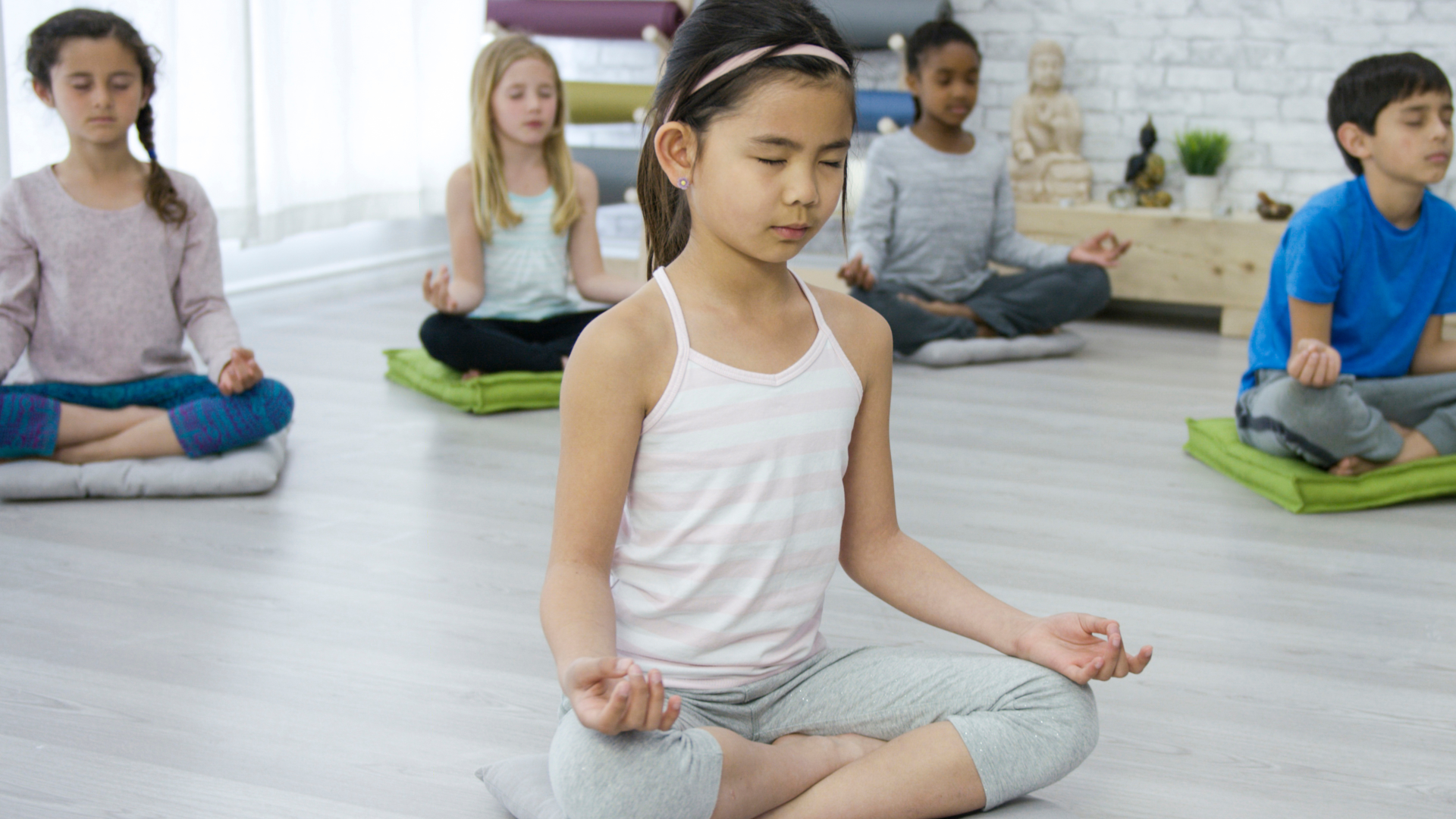
Research on self-efficacy in sport psychology supports this idea. Studies grounded in Bandura’s self-efficacy theory show that an athlete’s belief in their capability significantly predicts performance outcomes and persistence under pressure (Moritz et al., 2000, Journal of Applied Sport Psychology). The internal narrative dancers carry into rehearsal and performance can influence what their bodies are able to execute.
Final thoughts
The more we can relate healthy habits to dancing better, the more we might be able to influence our dancers to adopt them for the long term.
If you’d like to help your dancers recognize the importance of creating healthy physical and mental habits, we’ve got you! Schedule a virtual dancer mental wellness workshop today! Click here to learn more.
References
Michelle Loucadoux, co-founder Danscend
Michelle Loucadoux (Fraser) is a former professional dancer turned educator and one of the co-founders of Danscend. She is one of the co-chairs of the dance division at AMDA college is Los Angeles and travels the world speaking to dancers and dance educators about the importance of dancer mental health awareness.

Get in Touch!
hello@danscend.com
Phone number: 213-770-1226
hello@danscend.com
Phone number: 213-770-1226
Copyright © 2026