
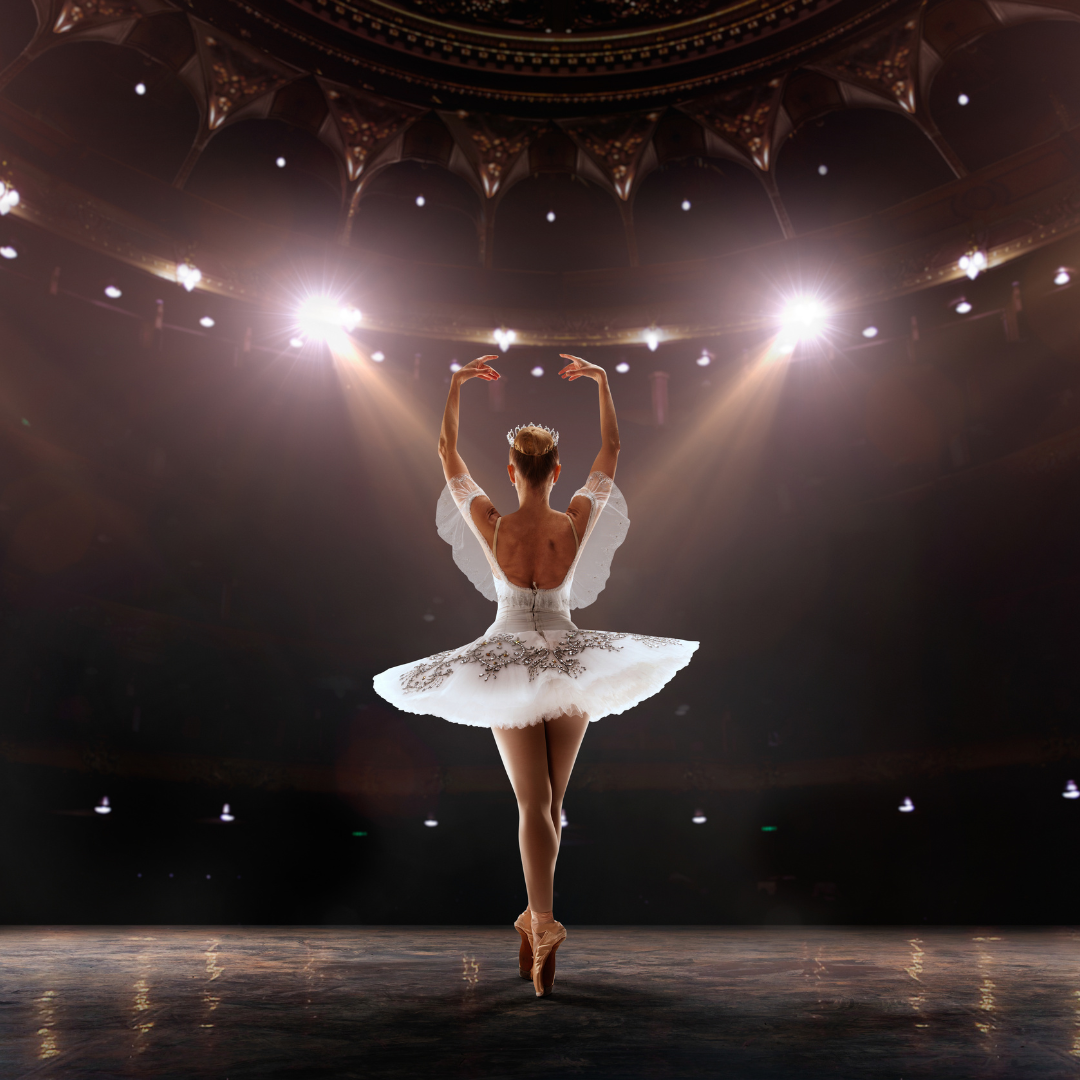
Performance under pressure is front and
center in the life of a dancer. The average dance career is relatively short,
but the intensive preparation, diligence, and dedication remain consistent during
this time span. Competitive drive, intrinsic motivation, and emotional
discipline are considered positive attributes to succeed in this demanding art
form. The physical aspects of dance training necessitate attaining and maintaining
high levels of technical and artistic skills. A typical day involves dealing
with the expectations of dance instructors, choreographers, and other artistic staff,
along with personal life stressors. In tandem with environmental influences and
long-term exposure to these stressors, the dancers’ ability to cope can become a
longstanding mental health condition (Dwarika & Haraldsen, 2023). In one
study, 35.4 % of American university dancers reported symptoms of anxiety and
depression (Zhang et al., 2025). Although this is representative of the mental health
of younger dancers, these issues may carry over or intensify in their later dance
careers.
Self-efficacy and perfectionism are qualities that figure prominently in the discipline of dance (Arbinga, 2025). Perfectionistic tendencies in dancers are tied to high-performance expectations and intense levels of self-criticism. The two-factor model of perfectionism (Frost et al., 1990) is based on perfectionistic strivings and perfectionistic concerns. The tug-of-war between the two can weigh heavily on the mindset of the dancer. While striving for perfection may have a positive influence on goal setting and performance, excessive worries about making mistakes, or a fear of failure can negatively impact performance. This can be difficult to navigate through many years of dancing, even for more accomplished professionals. Additionally, performance anxiety may surface at any point in a dancers’ career, and some dancers are more successful at managing this than others.
The dance culture creates an atmosphere of extreme discipline, so dancers may conceal their mental health struggles for fear of being replaced, not being cast in roles, or hindering promotions. The unrelenting pressures of training and performance also increase the risk of injury. This adds to existing psychological challenges, such as stress and depression. Competitive dance involves similar challenges pertaining to performance demands, comparison with other dancers, and confronting self-imposed and external expectations. The existence of pain may also be normalized, leading dancers to continue training and performing while injured. Furthermore, if acute injuries become chronic conditions, the associated mental health issues can become even more severe (Zhang et al., 2025).
Self-efficacy and perfectionism are qualities that figure prominently in the discipline of dance (Arbinga, 2025). Perfectionistic tendencies in dancers are tied to high-performance expectations and intense levels of self-criticism. The two-factor model of perfectionism (Frost et al., 1990) is based on perfectionistic strivings and perfectionistic concerns. The tug-of-war between the two can weigh heavily on the mindset of the dancer. While striving for perfection may have a positive influence on goal setting and performance, excessive worries about making mistakes, or a fear of failure can negatively impact performance. This can be difficult to navigate through many years of dancing, even for more accomplished professionals. Additionally, performance anxiety may surface at any point in a dancers’ career, and some dancers are more successful at managing this than others.
The dance culture creates an atmosphere of extreme discipline, so dancers may conceal their mental health struggles for fear of being replaced, not being cast in roles, or hindering promotions. The unrelenting pressures of training and performance also increase the risk of injury. This adds to existing psychological challenges, such as stress and depression. Competitive dance involves similar challenges pertaining to performance demands, comparison with other dancers, and confronting self-imposed and external expectations. The existence of pain may also be normalized, leading dancers to continue training and performing while injured. Furthermore, if acute injuries become chronic conditions, the associated mental health issues can become even more severe (Zhang et al., 2025).

Dancers spend countless hours looking in the mirror and focusing on their appearance. Preoccupations with weight and body shape can promote disordered eating behaviors in dancers starting in adolescence (Doria & Numer, 2022). Body image dissatisfaction is common among dancers, and scrutiny from the media serves as an additional layer of pressure (Boyes & Cornelissen, 2024). Comparison with other dancers is unavoidable to some extent and takes commitment to shift the focus from feeling envious to working on self-improvement. For older dancers, it can be a significant concern to preserve a youthful appearance to enhance their performance quality. The competition for leading roles may become greater when the new generation of young dancers are featured and cultivated. As the saying goes, “there’s always someone waiting in the wings.”
Daily stressors can interfere with sleep quality, predispose dancers to injury, and detract from self-confidence and peak performance (Zhang et al., 2025). This may become a vicious cycle of physical and emotional exhaustion that dancers are unable to manage without supportive resources. Research reveals that injury among dancers has a lifetime incidence of 90%, and up to 60% of injured dancers meet the requirements for a psychological referral (Pollitt & Hutt, 2021). This constitutes a pressing issue for more seasoned dancers who want to prolong their careers as long as possible. The slippery slope between injury prevention and maximum performance shape is an ongoing battle. Aside from long hours of classes, rehearsals, and performance, dancers often participate in cross-training activities to build core strength and endurance, enhance conditioning, and boost cardiovascular stamina.
Sufficient fueling of the body throughout the day is another challenge that involves proper nutrition, use of supplements, adequate hydration, and determining optimal times to consume complete meals. Dancers may fall victim to an “all or nothing” mentality when it comes to food and are at risk for developing a syndrome called “Relative Energy Deficiency in Sport” (RED-S), or (RED-D) pertaining to dancers. Ballet dancers are particularly vulnerable, since a long, lean body type has traditionally been the ideal standard. The long-term physical consequences of RED-D are serious, including osteoporosis, increased risk of fracture, menstrual dysfunction, cardiovascular issues, and immune system suppression (Allen et al., 2024). There may also be accompanying psychological problems related to anxiety, depression, mood changes, and reduced well-being (Pensgaard et al., 2023). This underscores the urgency of early diagnosis and treatment to avoid further damage in the future.
Daily stressors can interfere with sleep quality, predispose dancers to injury, and detract from self-confidence and peak performance (Zhang et al., 2025). This may become a vicious cycle of physical and emotional exhaustion that dancers are unable to manage without supportive resources. Research reveals that injury among dancers has a lifetime incidence of 90%, and up to 60% of injured dancers meet the requirements for a psychological referral (Pollitt & Hutt, 2021). This constitutes a pressing issue for more seasoned dancers who want to prolong their careers as long as possible. The slippery slope between injury prevention and maximum performance shape is an ongoing battle. Aside from long hours of classes, rehearsals, and performance, dancers often participate in cross-training activities to build core strength and endurance, enhance conditioning, and boost cardiovascular stamina.
Sufficient fueling of the body throughout the day is another challenge that involves proper nutrition, use of supplements, adequate hydration, and determining optimal times to consume complete meals. Dancers may fall victim to an “all or nothing” mentality when it comes to food and are at risk for developing a syndrome called “Relative Energy Deficiency in Sport” (RED-S), or (RED-D) pertaining to dancers. Ballet dancers are particularly vulnerable, since a long, lean body type has traditionally been the ideal standard. The long-term physical consequences of RED-D are serious, including osteoporosis, increased risk of fracture, menstrual dysfunction, cardiovascular issues, and immune system suppression (Allen et al., 2024). There may also be accompanying psychological problems related to anxiety, depression, mood changes, and reduced well-being (Pensgaard et al., 2023). This underscores the urgency of early diagnosis and treatment to avoid further damage in the future.

Burnout
is also possible as a dancers’ career goes on, resulting from prolonged stress,
emotional exhaustion, and an inability to establish healthy boundaries. Developing an
identity outside of being a dancer is imperative for mitigating some of the
constant stressors. A well-rounded perspective can help dancers manage setbacks,
stay motivated, and cultivate interests and relationships outside of the dance
world. This is also beneficial for exploring career transitions following
retirement. There are numerous techniques to enhance performance and prevent
burnout, including meditation, goal setting, breathing techniques, grounding
exercises, visualization, and self-talk reframing. Self-care
is of paramount importance for mental and physical health but is often neglected
due to busy schedules or guilt about allocating time for rest and relaxation.
A delicate balance exists between initial recognition of talent in dance and the standards of achieving a high-ranking status. From this perspective, there’s no guarantee that inherent traits, talents, or strong work ethics will sustain a dancers’ degree of success over time. The desire to move up in professional rank is ever-present in a dance career, but this dream is not always fulfilled. On the flip side, the pressure to perform at a higher level once a dancer receives a promotion largely increases. Thus, the burden of proving oneself after becoming a soloist or a principal dancer encompasses additional expectations. Being a role model for younger dancers also comes with the territory and is a responsibility that should not be taken lightly.
Thankfully, with longevity and experience, wisdom also comes along. Attaining a long dance career is a blessing if a dancer is fortunate enough to have a rewarding journey without too much wear and tear. There is much gratitude tied to the accomplishment of doing what you love and getting paid for it! Dancers can benefit from the knowledge they have gained over the years, and the strategies they utilized to overcome challenges. Taking advantage of valuable resources for psychological and physical fitness is an essential element in this ongoing process. This goes a long way during and after a dance career. After all, honoring the vessel that we inhabit, that allows us to dance, is a lifelong pursuit.
Looking back on her 20-year career with New York City Ballet, Principal dancer, Megan Fairchild, had some helpful perspectives to share in her book The Ballerina Mindset. She acknowledged that success is a high point that is relatively easy to get through. In terms of failure, she can now view it as an opportunity to connect with others and open her mind to new possibilities for the future. Let’s also keep in mind that preserving a passion for dance is a key component for safeguarding mental health and well-being in this beautiful branch of the performing arts.
A delicate balance exists between initial recognition of talent in dance and the standards of achieving a high-ranking status. From this perspective, there’s no guarantee that inherent traits, talents, or strong work ethics will sustain a dancers’ degree of success over time. The desire to move up in professional rank is ever-present in a dance career, but this dream is not always fulfilled. On the flip side, the pressure to perform at a higher level once a dancer receives a promotion largely increases. Thus, the burden of proving oneself after becoming a soloist or a principal dancer encompasses additional expectations. Being a role model for younger dancers also comes with the territory and is a responsibility that should not be taken lightly.
Thankfully, with longevity and experience, wisdom also comes along. Attaining a long dance career is a blessing if a dancer is fortunate enough to have a rewarding journey without too much wear and tear. There is much gratitude tied to the accomplishment of doing what you love and getting paid for it! Dancers can benefit from the knowledge they have gained over the years, and the strategies they utilized to overcome challenges. Taking advantage of valuable resources for psychological and physical fitness is an essential element in this ongoing process. This goes a long way during and after a dance career. After all, honoring the vessel that we inhabit, that allows us to dance, is a lifelong pursuit.
Looking back on her 20-year career with New York City Ballet, Principal dancer, Megan Fairchild, had some helpful perspectives to share in her book The Ballerina Mindset. She acknowledged that success is a high point that is relatively easy to get through. In terms of failure, she can now view it as an opportunity to connect with others and open her mind to new possibilities for the future. Let’s also keep in mind that preserving a passion for dance is a key component for safeguarding mental health and well-being in this beautiful branch of the performing arts.
Alice Schluger, Ph.D.
Dr. Alice Schluger is an accomplished health professional with an extensive background in clinical research, health education, and psychology. She earned a Master of Arts Degree in Community Health Education and a Ph.D. in Health Psychology. Her dissertation titled “Disordered Eating Attitudes and Behaviors in Female College Dance Students: Comparison of Modern Dance and Ballet Dance Majors” has been published in the North American Journal of Psychology.If you would like to learn more about the coaching process, or how the wellness dimensions apply to dance education, please don’t hesitate to reach out!
Website: www.wellnessfordancers.com
Email: info@wellnessfordancers.com
Instagram: @wellness_for_dancers
Website: www.wellnessfordancers.com
Email: info@wellnessfordancers.com
Instagram: @wellness_for_dancers
References:

Get in Touch!
hello@danscend.com
Phone number: 213-770-1226
hello@danscend.com
Phone number: 213-770-1226
Copyright © 2026