
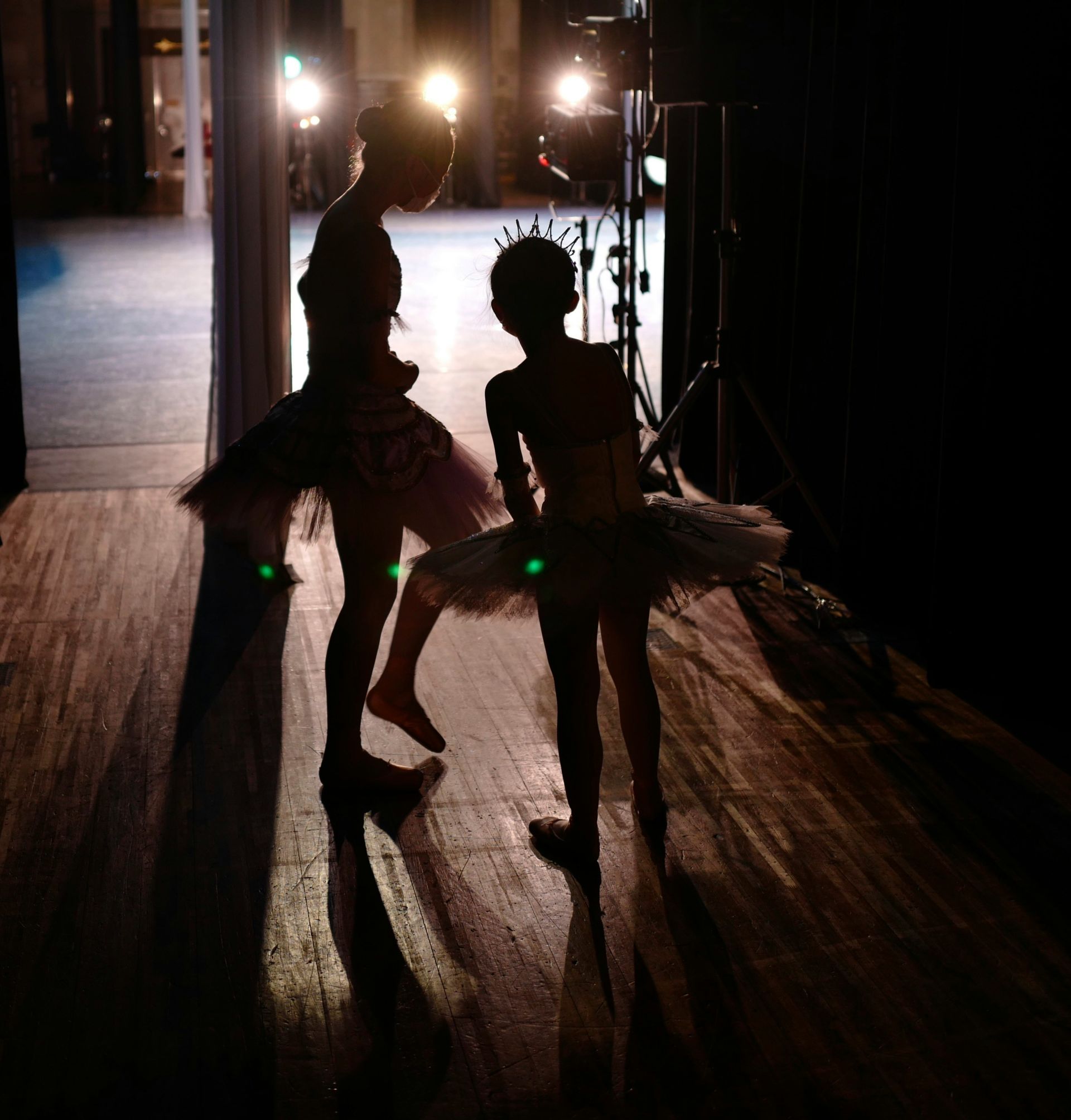
Every young dancer walks into the studio with a dream, and for many it is to express something that words can’t. But behind the strength and artistry, dance training can also bring immense physical and psychological pressures. From a dancer’s first class to competitions or auditions, young dancers face constant evaluation, comparison, and the pursuit of perfection.
Mental wellness challenges in dance don’t appear out of nowhere…they grow out of the environments dancers train in, so why aren’t we thinking more about prevention? Researchers describe three major sources of stress: situational, interpersonal, and cultural (Dwarika & Haraldsen, 2023).
While hours are spent perfecting technique and building physical strength, one of the most important “muscles” (the mind) is often left untrained. That’s where Mental Skills Training (MST) comes in.
MST helps dancers build focus, resilience, and emotional regulation, essential tools not only for performance but also for well-being. Without developing these mental skills, dancers risk anxiety, burnout, and even losing the joy that first brought them to the studio. As recent research highlights, MST isn’t an optional extra; it’s a vital part of healthy dancer development (Dwarika et al., 2025).
Mental wellness challenges in dance don’t appear out of nowhere…they grow out of the environments dancers train in, so why aren’t we thinking more about prevention? Researchers describe three major sources of stress: situational, interpersonal, and cultural (Dwarika & Haraldsen, 2023).
- Situational stressors include injuries, competition, external expectations, and uncertainty about future careers.
- Interpersonal stressors stem from teacher–student dynamics, constant feedback, and comparison with peers.
- Cultural stressors come from the perfectionism and “silent conformity” that often define traditional dance settings, especially in classical ballet (Benn & Walters, 2001).
Over time, these pressures can teach young dancers to internalize unrealistic standards and harsh self-criticism. Even the most supportive environments can’t completely eliminate stress…which is why developing mental skills early is essential. MST gives dancers the inner tools to stay resilient and confident, no matter what kind of studio or teacher they encounter in their dance journey.
What Exactly is Mental Skills Training?
Originally developed in the world of sport psychology, MST helps performers manage thoughts, emotions, and behaviors for both peak performance and personal well-being (Vealey, 2007). It is worth noting that since its inception, sport psychology has evolved from working with just athletes to helping anyone who wants/needs to perform well under pressure! With this fact in mind, it is probably not surprising that the biggest employer of sport psychologists and certified mental performance consultants (CMPC) was the US military - where performing under pressure is truly life or death.
According to Dwarika et al. (2025), MST includes three key components:
- Mental techniques — such as imagery, self-talk, and goal-setting.
- Mental skills — like focus, concentration, and emotional control.
- Mental qualities — including self-awareness, confidence, and resilience.
In practice, MST teaches dancers to approach their craft with a growth mindset, viewing challenges as opportunities to improve rather than as threats. It helps them manage nerves, cope with feedback, and recover from setbacks more effectively. Importantly, MST isn’t just a response to problems… it’s preventive, supporting dancers before mental health struggles develop or are exacerbated.
Why MST Matters
Here’s how MST makes a difference:
The Mind–Body Connection

Bringing MST into the Studio
The good news? You don’t need a psychology degree to start integrating MST principles into dance training, though it is recommended that you work with a sport psychologist or CMPC to help you get started! Teachers and parents can weave mental skills into everyday practice through small, intentional habits.
Here are some simple ways to start:
- Begin class with a centering exercise. A minute of deep breathing or visualization can help dancers focus their energy and attention.
- Encourage process goals. Shift focus from outcomes (“win the competition”) to effort-based goals (“maintain balance longer,” “stay grounded through turns”).
- Model positive self-talk. Replace phrases like “don’t mess up” with “breathe and focus.”
- End class with reflection. Ask questions like, “What went well today?” or “What do I want to work on next time?”
- Offer autonomy and choice. Let dancers make creative decisions about choreography or combinations, this builds intrinsic motivation (Aujla & Farrer, 2015).
- Normalize emotions. Talk about stress, nerves, and frustration openly. Help dancers see them as natural parts of growth (Dwarika & Haraldsen, 2023).
These small shifts can transform studio culture. When dancers feel safe to make mistakes and focus on growth instead of comparison, confidence replaces fear!
The Power of Starting Early
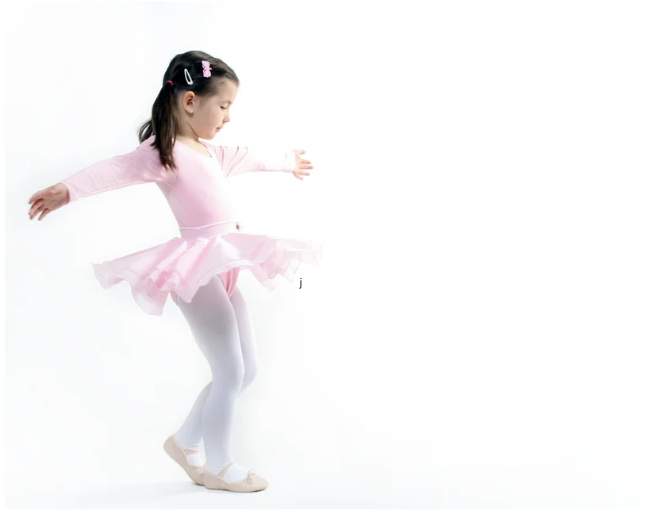
Mental skills learned in childhood and adolescence don’t just help in dance…they support all areas of life. Early MST helps young people develop:
- Self-regulation: Managing attention, effort, and emotion under pressure.
- Confidence and creativity: Believing in their knowledge skills and abilities. Reduced performance anxiety: Approaching auditions and performances with calm and controlled focus.
- Balanced identity: Understanding that self-worth extends beyond their identity as a dancer or performer.
- Resilience: Bouncing back from challenges with perspective, motivation, and strength.
Perhaps most importantly, MST helps prevent burnout (the emotional exhaustion that often appears later in pre-professional or professional ranks; Junge et al., 2024). Dancers who learn to care for their minds early on are more likely to sustain their passion for the long term.
The Future of Dance Education
References:
Arianna Shimits, MA, CMPC
Arianna Ciccarelli Shimits, MA, CMPC completed her Master’s degree in Sport and Performance psychology at the University of Denver and her bachelor’s degree in Psychology at the New College of Interdisciplinary Arts and Sciences at Arizona State University.
While working towards her BA she danced professionally at the Washington Ballet, Ballet Arizona, and the Colorado Ballet. She performed soloist and corps de ballet roles in ballets choreographed by Petipa, Balanchine, Tudor, Tharp, Webre, Deane, Liang, York, and Stevenson. After retiring from ballet Arianna pursued an MA in Sport and Performance Psychology, believing that the performing arts could benefit from the skills and training offered by mental skills training.
Arianna is currently a doctoral candidate in Counseling Psychology with an expected graduation of Summer ‘26

Get in Touch!
hello@danscend.com
Phone number: 213-770-1226
hello@danscend.com
Phone number: 213-770-1226
Copyright © 2026