
Life as a dancer is defined by movement—both the kind you create onstage and the kind that happens within you when life shifts in ways you didn’t expect. Transitions are woven into the fabric of dance: new studios, new teachers, changing casts, evolving bodies, shifting dreams. Y are even part of the minute-to-minute sequences of steps that bring great beauty to life on stage. Sometimes they arrive gently, like a slow adagio; other times, they crash in like an unexpected crescendo.
For dancers and dance educators alike, these transitions can feel impossible to navigate. Injuries. Cast changes. Dancers securing or losing contracts. Moving to a new city or company. Even “good” changes—landing a role, securing a promotion, or becoming a teacher—can stir a surprising amount of grief, fear, and self-doubt. The uncertainty can be overwhelming and although uncertainty is a strong characteristic in the life of a dancer, I often find that many don’t have the skills to manage it.
I often find that dancers want to make everything as certain as possible. But what if I told you that these uncomfortable moments—these times of not knowing who you are in your art or where you fit—are the very spaces where your greatest growth happens?
My multigenerational memoir, And She Was Never the Same Again, explores how profound life changes reshape us. The title itself captures a truth dancers know in their bones: transformation is inevitable – and many times it is the goal. Dancers seek to transform their audience members by witnessing their art. Every rehearsal, every performance, every season demands that you evolve. And while that evolution can feel disorienting, it’s also what keeps you human, expressive, and alive.
The Fear of Change in Dance

When facing transitions—whether it’s an injury that sidelines you, a role you didn’t get, or a career path that’s shifting—our minds often default to fear. What if I fall behind? What if I’m not good enough anymore? What if I’ve lost my edge?
For high-achieving, perfectionistic dancers, these questions are familiar companions. They reflect a fixed mindset, one that believes your worth or identity depends on flawless execution and external validation. But these thoughts, as painful as they are, are often protective. They attempt to keep you safe from disappointment, rejection, or vulnerability.
Here’s the problem: protection isn’t the same as growth. When we cling to control (often perceived, not real), we limit our capacity to expand. And yet, few dancers pause to ask a different question: What if this works out beautifully?
That small shift—from fear to curiosity—can be revolutionary. It’s the difference between viewing transition as failure (fear) versus transformation (curiosity). But what if change invites you to evolve? What if this season of uncertainty is building the exact skills your community needs next?
Reframing Transition as Growth
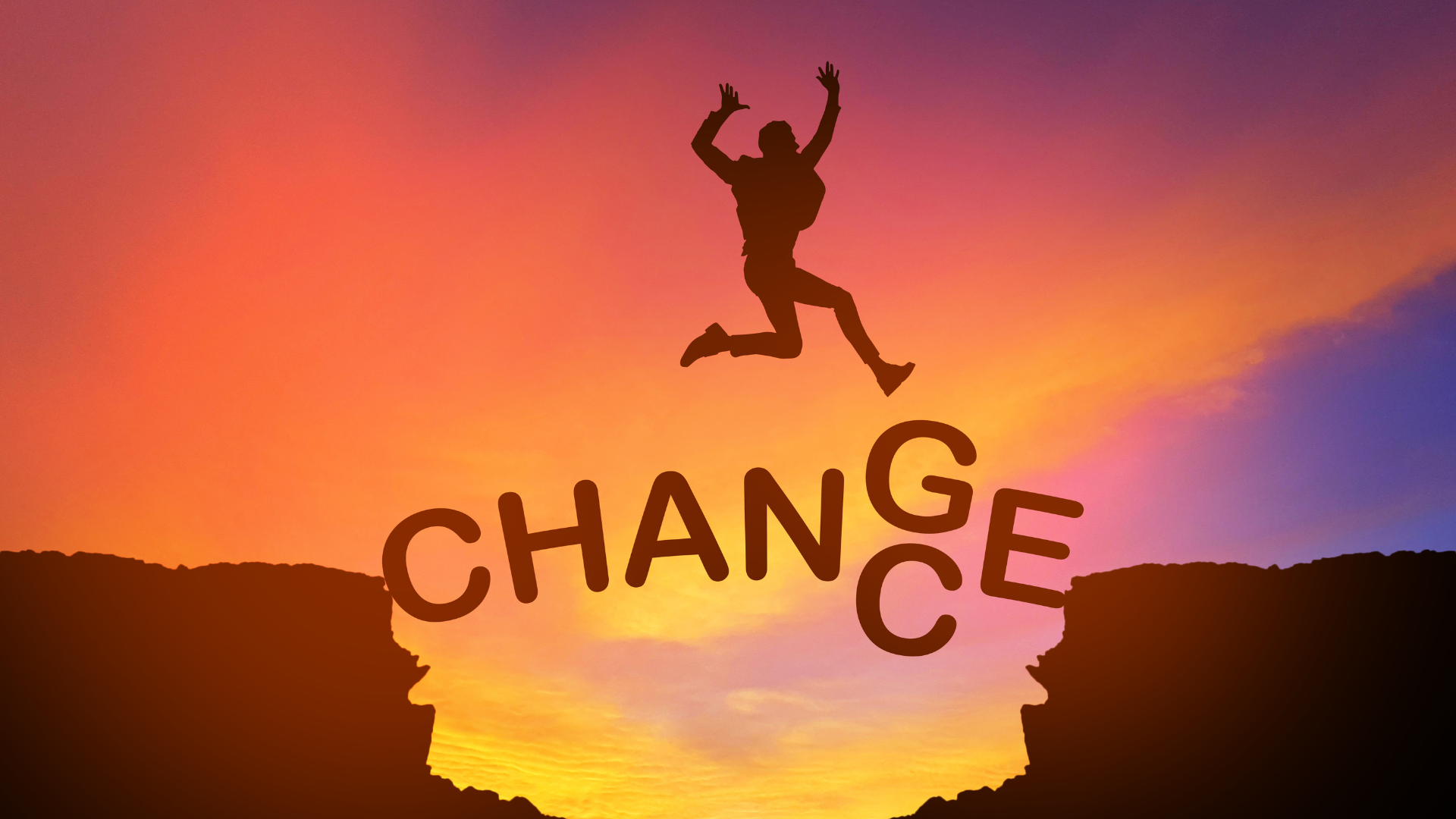
In And She Was Never the Same Again, I share how every loss and life transition created new understanding and deeper compassion—for myself and those around me. Dancers experience these moments all the time. Each change challenges not just what you do, but who you believe yourself to be.
What if you reframed these moments not as setbacks, but as feedback? Not as evidence of inadequacy, but as an invitation to reimagine what’s possible?
Growth in dance doesn’t just happen through repetition and technique—it happens through reflection and risk. Try asking yourself or your dancers:
- What might I learn from this change?
- What part of me is being invited to grow?
- What am I gaining, not just losing, in this transition?
When you challenge the story that change equals failure, you reclaim agency. You start to recognize that both loss and growth coexist in every turning point. You begin to see that your thoughts—while powerful—aren’t always facts. These skills will serve you well beyond the studio walls.
This mindset shift also asks you to look at the cultural and familial messages you’ve absorbed about change and success. Did you grow up in an environment that equated rest with weakness? Were mistakes punished instead of explored? Did you learn that worthiness had to be earned with perfect turns and unshakable discipline?
If so, it might be time to unlearn those rules. Because real artistry thrives not in rigidity, but in resilience.
Process Over Perfection
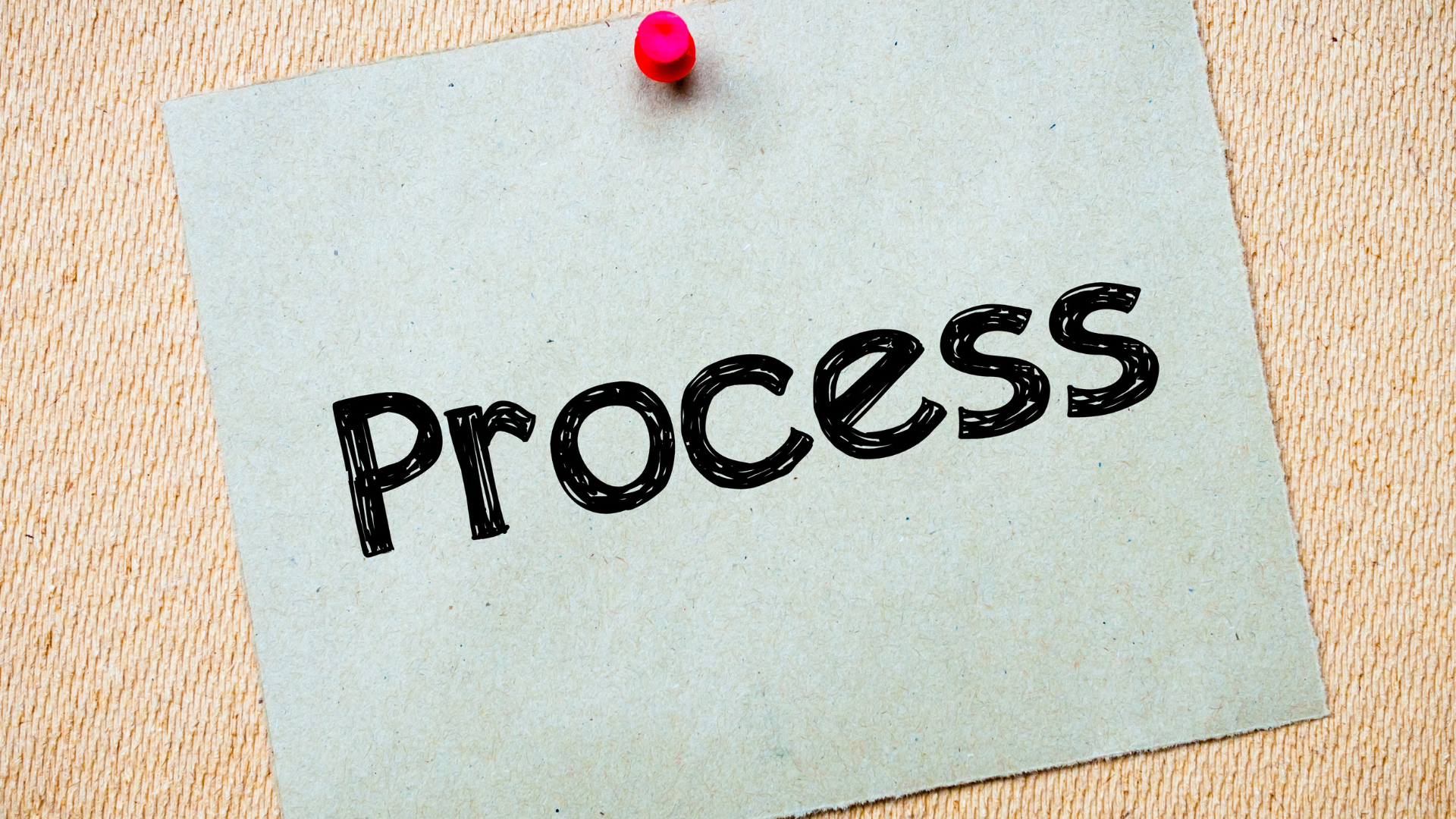
Dancers are trained to chase perfection—the flawless line, the effortless leap, the seamless transition. But perfection is an illusion. The true art of dance, like the true art of living, is found in the process.
In the book, I wanted to illustrate that transformation doesn’t happen by avoiding discomfort—it happens by being with it. The same is true in dance. Growth doesn’t come from skipping the hard parts. It comes from showing up, class after class, rehearsal after rehearsal, even when you feel uncertain or raw.
For teachers, this means modeling process-oriented thinking in your studios. Encourage your dancers to focus the in between rather than just the outcome. Celebrate risk-taking, vulnerability, and effort. Remind them that artistry isn’t about being perfect—it’s about being present.
When we shift from outcome-driven to process-driven practice, our confidence becomes less dependent on applause, casting, or scores. It becomes grounded in something steadier: trust. Trust in our ability to adapt, to learn, to keep growing through whatever change brings.
That trust is what allows dancers to weather transitions with grace.
Becoming Someone New
Every significant change—on or off the stage—comes with identity work. When you graduate, leave a company, heal from injury, or retire from performance, you are not just losing a routine; you’re losing a version of yourself.
And that deserves to be grieved.
Dancers often struggle to acknowledge this grief, because they don’t know that grief is what they are experiencing. If you lose something significant, you grieve, death or not. Grieving the dancer you once were, the part you didn’t get, or the company who didn’t hire you doesn’t mean you’re rejecting who you are now. It means you’re making room for the next iteration of your artistry.
For teachers, the same is true. Maybe your body can’t move as it once did, or your career has shifted from performing to mentoring. This, too, is a transformation worth honoring. You are evolving from interpreter to guide—from dancing your own story to helping others find theirs.
Like the seasons, transitions in dance come and go, often outside our control. Casting changes. Bodies age. Studios close. New opportunities appear. You can’t choreograph every step of life—but you can choose how to respond to the changing rhythm. You can meet it with fear, or you can meet it with openness, curiosity, and courage.
Practical Ways to Support Growth Through Transition

Here are a few ways dancers and dance educators can move through change with more compassion and steadiness:
1. Name the Transition.
Simply acknowledging that a shift is happening can reduce anxiety and helps normalize it. You can’t navigate what you refuse to name.
2. Create Space for Reflection.
Build moments into your routine for reflection—journaling after class, taking mindful walks, or pausing in rehearsal to ask, “What’s working for me today?” Reflection helps integrate change rather than resist it.
3. Prioritize Emotional Regulation.
Change stirs emotion. Teachers can model emotional regulation by talking openly about them and demonstrating how to navigate them adaptively. Dancers can use breathwork, grounding, or gentle stretching to stay connected to their bodies when their minds spiral.
4. Build Community Support.
Transitions feel easier when shared. Encourage peer support among dancers or staff check-ins among teachers.
5. Celebrate Adaptability.
When dancers adapt—whether to new choreography, unexpected feedback, or a change in cast—acknowledge it. Validation fosters resilience and confidence.
The Promise of Growth
The next time life (or dance) asks you to change, remind yourself: being “never the same again” isn’t a loss. It’s a promise of growth, if you allow yourself to consider it.
You have navigated hard transitions before—injuries, rejections, heartbreaks, self-doubt. You have built discipline, adaptability, and courage through every plié, every fall, every recovery. Those skills don’t disappear when the music changes. They are your foundation.
Growth doesn’t mean erasing what came before. It means allowing what you’ve learned to take new form. It means trusting that even when the choreography shifts, you can still find your rhythm.
Natasha Pryde Trujillo, Ph.D.
Counseling and Sport Psychologist | Thanatologist | Author
Dr. Trujillo helps high-achieving, perfectionistic athletes, performers, and professionals navigate grief, anxiety, disordered eating, trauma, and life transitions with compassion and authenticity.
Learn more at www.npttherapy.com and www.andshewasneverthesameagain.com and follow her @npttherapy.

Get in Touch!
hello@danscend.com
Phone number: 213-770-1226
hello@danscend.com
Phone number: 213-770-1226
Copyright © 2026