
Jul 1 / Kristin Deiss

Why Comparison is Not Serving You in the Dance Studio

Dancers are compared to others all the time. Whether it’s in class, at competition, or in an audition, we are sized up against the person dancing next to us. And the worst part is we also do it to ourselves. But, what if I told you that comparison is actually not serving you in the dance studio? What a relief! Read the post below to find out why and what to do instead.

Imagine that you’re in the studio, in a dance class. You’ve gotten yourself centered and your mind in a focused place. You’re wearing your favorite leotard or graphic tee, you’re in a great mood, and your balance is just on today.

Still with me?

You’re in your favorite class, with your favorite instructor, in your favorite studio. Could this class be going any better?

Things are going great. And then… 

You look at the dancer next to you. And the one in front of you. And the one behind you. 

And what happens? You start to compare yourself to them. 

I’m not as good as she is. I can’t turn like he can. I wish I looked like that.

I’d like to take this moment to let you in on a little secret… nothing compares to you! 

Comparing yourself to others is like comparing an apple to an orange, a rose to a daisy, or better yet, a giraffe to a rock. It’s useless. It’s pointless. And it certainly never ends well.

You are the only you this world has ever seen and will ever see. So, how will comparing your story, progress, journey, accomplishments, insert anything and everything here, help you step more into yourself to bloom and flourish in the gifts that you were given?

Short answer: It won’t.

And this is why comparison is not serving you in the dance studio.

If comparison is not serving us, then why do we do it?
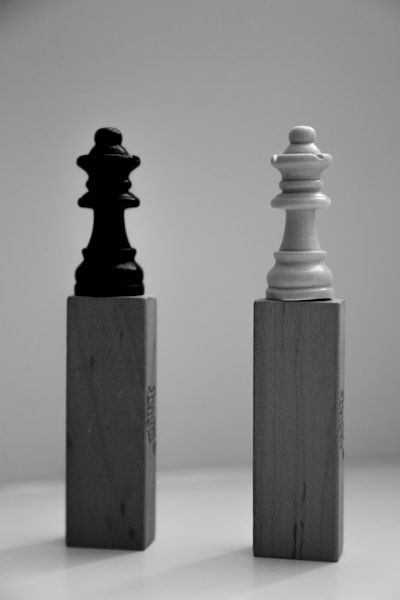
According to psychologist Leon Festinger, and his 1954 social comparison theory, we compare ourselves to others to determine both identity and worth. And in so doing, we are able to evaluate, among other things, our abilities. Comparison, then, acts as a sort of benchmark so that we can better understand our place in the world and our place among other humans.

In this scenario, it helps us understand just what kind of dancer we are when we are in the studio with our peers.

And while comparison can sometimes lead to improvement and inspiration, too often it leads to the opposite when we allow it to form incorrect and incomplete assessments of our abilities.

Though comparison might be an automatic response to our never-ending quest to better understand ourselves and our surroundings, it would behoove all of us to take note of when comparing stops providing benefit and starts becoming harmful.

So, what do we do instead?

The first step to this is to catch yourself when you are in comparison mode. The moment you realize you are comparing, take a beat to determine whether or not the comparison is helpful or harmful. You may want to ask the following questions to get you started.

Am I learning something from that dancer that I will then apply to my own training? Or am I merely engaging in self-deprecation?

When the answer is the latter, try to turn it around. Remember your strengths as a dancer, focus on improving your perceived weaknesses, or compliment the dancer you can’t peel your eyes from!

Commit to walking your own path without allowing the paths of others to negatively influence your self-worth. You are a beautiful work in progress. So, always remember to celebrate what makes you, you, and celebrate what makes others, them!

Interested in more ways to help you develop healthy mental habits in the dance studio?

Check out our Dancer Library free for 14 days to gain access to short videos, meditations, reflection questions, and worksheets for dancers and their families to use both inside and outside of the studio.

Your mindset plays a powerful role in your dancing. Support your wellbeing from the inside out.

Kristin Deiss

Kristin Deiss is a dancer, educator, yogi, and mom living her best life through helping others improve theirs. She holds an MA in History, an MFA in Dance, and is currently the co-chair of the dance division at AMDA. Having battled a JIA diagnosis that changed the trajectory of her dance career, Kristin is dedicated to helping dancers better cope with the challenges of their art form.